
Telematics encompasses the fields of telecommunications, vehicle technologies, electrical engineering, instrumentation and computer science.
One powerful example of telematics at work was the landing on Mars by the Mars Scientific Laboratory, which included the Curiosity Rover. The whole nine-month journey, the landing and analysis of samples, was entirely controlled from Earth using telemetry, and the data that was sent back gave us lots of new information about the Red Planet.
One telematics system that we are much more familiar with is the global navigation satellite system and mobile communications which together gives us automotive GPS navigation systems. By adding sensors and cameras to a vehicle, other vehicle telematics applications are possible, such as incident reporting, vehicle and trailer location tracking, monitoring of live feeds from onboard cameras and sensors, and monitoring of fuel and CO2 levels.
The insurance industry has seen a rise in fraudulent claims for vehicle damage and injury, but the use of in-vehicle dashboard cameras has deterred fraudsters from targeting vehicles with such cameras, as the videos can be used to provide accurate and admissible evidence of any such incident.
Telematics systems for trailer tracking can put to an end the underutilisation of trailers. Hauliers and fleet managers can, for example, track trailers in real-time, to monitor their mileage and exact location. Fleet managers can get real-time reports of the whereabouts of trailers and whether they are on the road or at a pick-up or delivery site. This information can help the dispatcher make future decisions on the assignment of trailers to particular drivers. With the addition of other sensors, status changes can be seen, particularly whether the trailer still has its load or is empty. All this helps companies streamline their operations, and over time, this asset data collection enables the trucking company to improve practices and increase productivity.
When a trucking company uses monitoring of live feeds from onboard cameras, drivers adopt a totally different mindset, as they are more conscious that their driving behaviour is under scrutiny.
Another benefit to both drivers and their insurance companies is the use of an in-vehicle telemetry unit which monitors the driver’s performance using the mobile communications network. The unit will send back information such as the time, the speed driven at on different types of roads, full mileage and journey information, and how the brakes and accelerator were used. The use of this technology helps to drive down the cost of insurance and helps make the roads safer. The information collected can be used to assess vehicle insurance risk and future premiums, and it can also track the location of vehicles if stolen and provide evidence in the case of a claim after an accident.
Using camera footage of a driver’s reactions can help to improve driver performance and is invaluable in creating feedback in the training of drivers. The driver’s g-force and accelerometer data, along with the downloaded video footage, can be used to identify specific areas for training and can create an incentive programme for improvement.
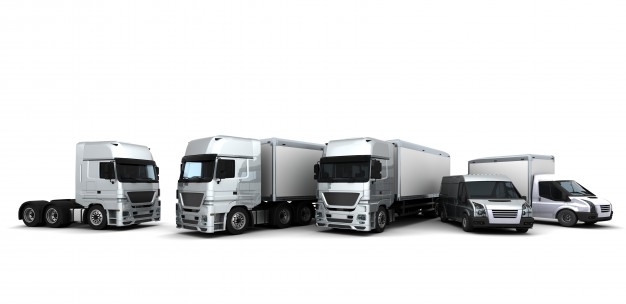 The term telematics is a marriage between telecommunications and computer science in the general sense. In recent years, the term has become associated almost exclusively with transportation. Making use of a Global Navigation Satellite System (GNSS) and a modem installed in the vehicle, container or trailer, a variety of data may be communicated between the transport company’s control room and the driver, and vice versa.