What is Direct Vision Standard and how it affects you as a Fleet Operator
The Direct Vision Standard (DVS) is the first legislation of its kind, originally scheduled to have come in to effect From 26th October 2020 but due to disruption caused by the COVID-19 pandemic has been pushed back to 1 March 2021 to give businesses more time to meet DVS requirements.
However, if your vehicles aren’t DVS compliant, you should book in fittings NOW to ensure that your vehicles are fitted in time for March.
The Direct Vision Standard was designed to eliminate blind spots from HGVs and reduce their risk to cyclists and pedestrians. Many cyclists are at risk of serious injury or worse when they ride next to the near-side (passenger side) of HGVs that are turning left. As drivers of HGVs are higher up than drivers of smaller vehicles, they can be unable to see a cyclist on their near-side and accidentally turn left or change lanes into them.
By increasing driver visibility, the Direct Vision Standard will reduce the risk of close-proximity blind spot collisions, equip drivers with the tools they need to manoeuvre safely and stop injuries to vulnerable road users.
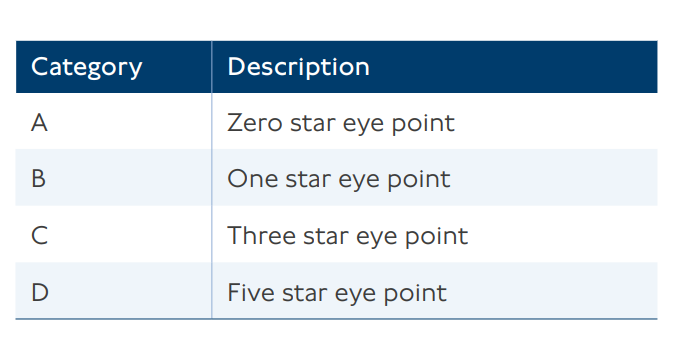
The Direct Vision Standard objectively measures how much a driver can see through their cab windows and mirrors, and how big the resulting blind spots are. It uses a star rating to grade HGVs from zero (lowest) to five (highest). Drivers in a zero-star vehicle will have poor direct vision and will not be able to see the head and shoulders of a pedestrian who is less than 4.5m away from the cab side. Drivers in a five-star vehicle will have good direct vision and will be able to see pedestrians, motorists and cyclists who are directly next to the Cab side of their Vehicle